
Ojai’s Stake in Surf History
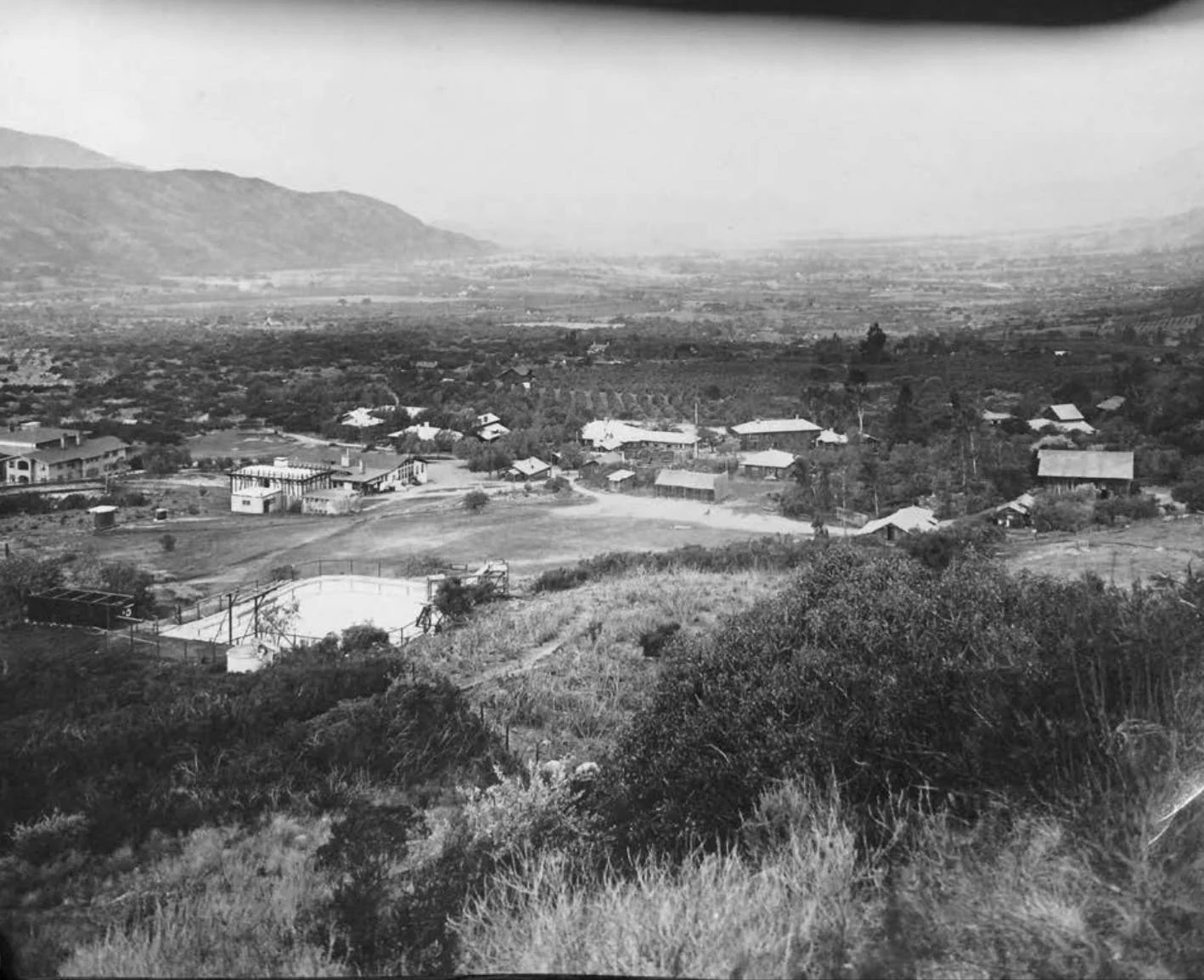
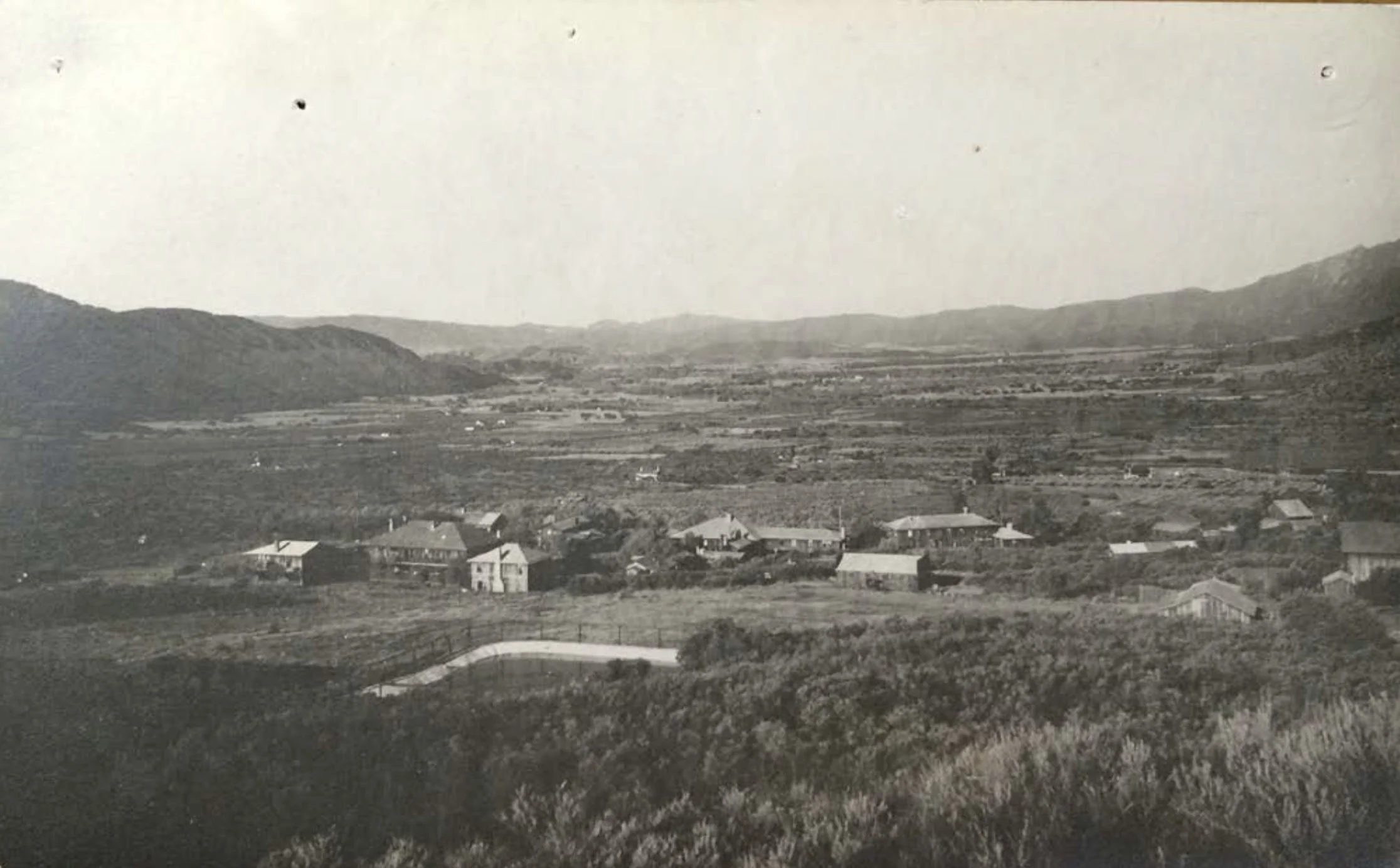
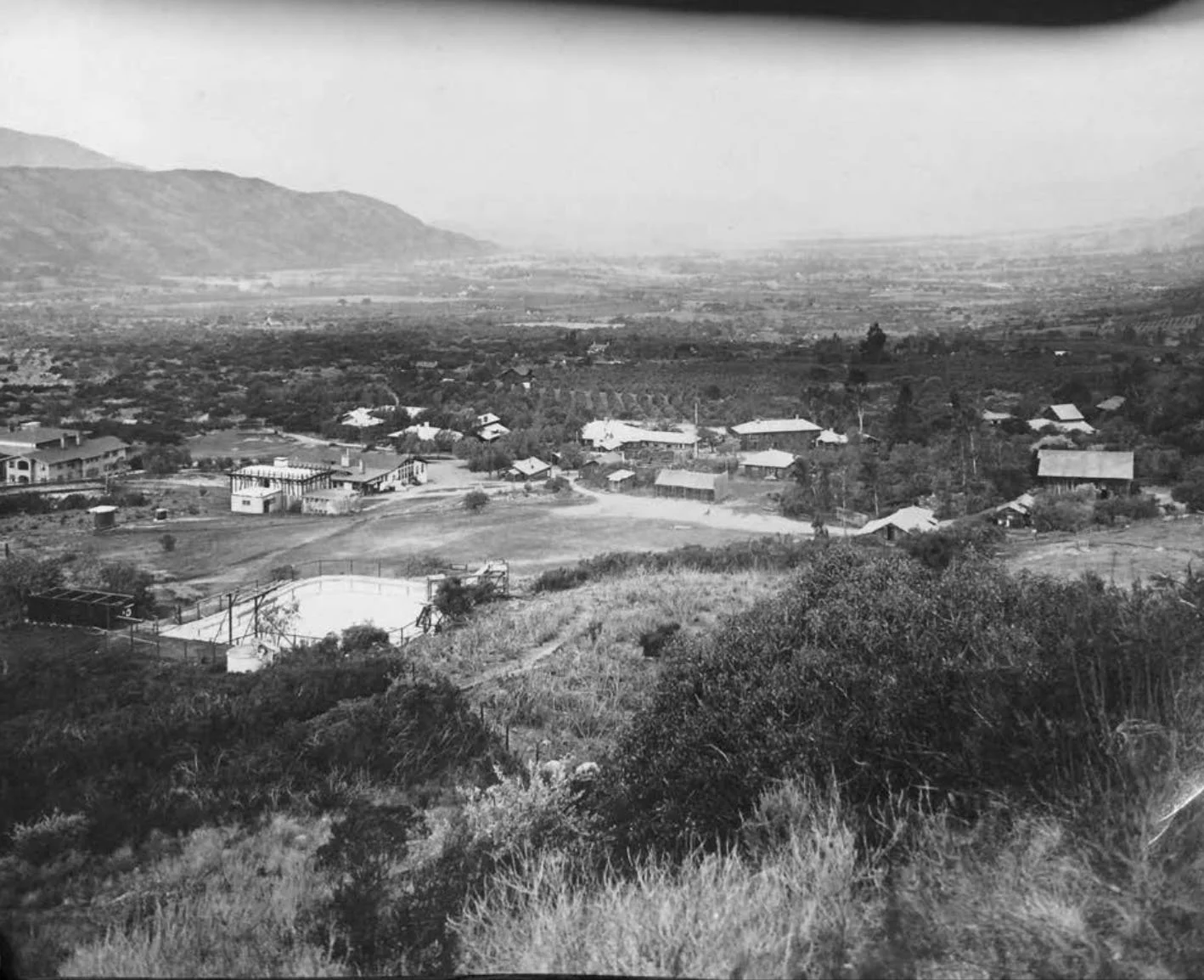
A bird’s eye view of Thacher campus, 1918. The “pool” on the left.
When Surfing came to Ojai.
An ancient culture shaped by a deep relationship with the ocean. For Hawaiians, the Ocean (moana) was a living force—inhabited by powerful spirits and deities. Surfing wasn’t just a recreation; it was woven into social, religious, and political life, forming a lasting foundation of Hawaiian culture today.
Names like George Freeth and Duke Kahanamoku go hand in hand with the evolution of surfing. Freeth, of Hawaiian descent, and Duke, of royal Hawaiian lineage, both helped revive a tradition that had begun to fade. More than that, they laid the groundwork for the idea of the waterman—a pursuit that has always felt bigger to me than the sport itself.
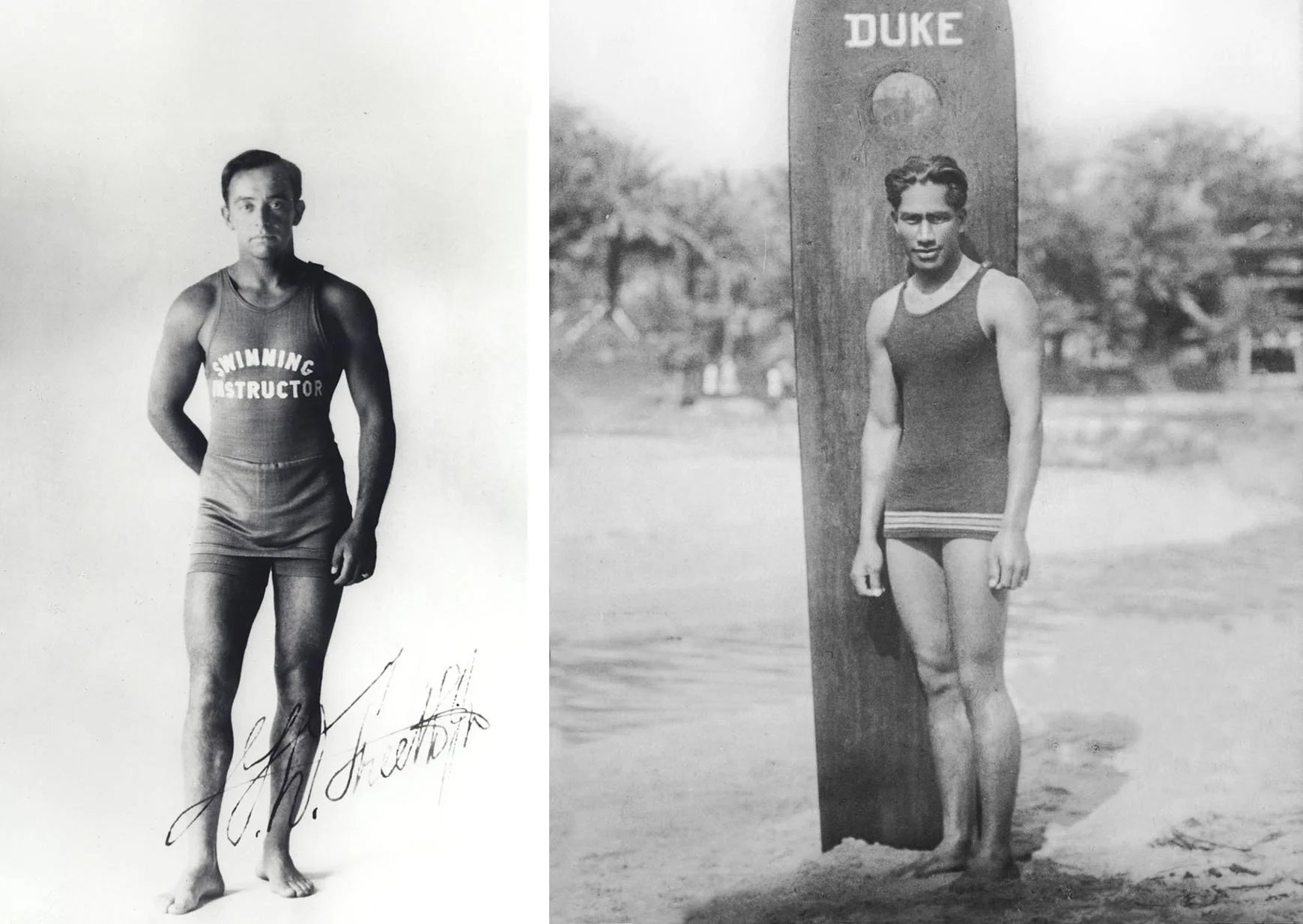
Born in the late 1800s in Hawaiʻi, both men took to the ocean early—swimming, diving, and surfing with equal ease. Island newspapers proudly described Hawaiʻi as “the home of swimmers.” Freeth, selected at a young age as captain of the prominent Waikīkī-based Healani swim team, quickly made a name for himself through high diving, ocean swimming, and surfboard riding.
Sharing the culture
But beyond competition, Freeth was a teacher. He was committed to preserving Hawaiian surf culture, sharing it with visitors, and passing it on to the next generation. Among those who felt his influence was a young Duke Kahanamoku.
In 1907, with a sense of purpose and adventure—and backed by efforts to boost tourism to Hawaiʻi—Freeth moved to California, helping introduce surfing to the mainland. His departure made front-page news under the headline:
“GEORGE FREETH OFF TO COAST – Will Illustrate Hawaiian Surfriding to People in California.”
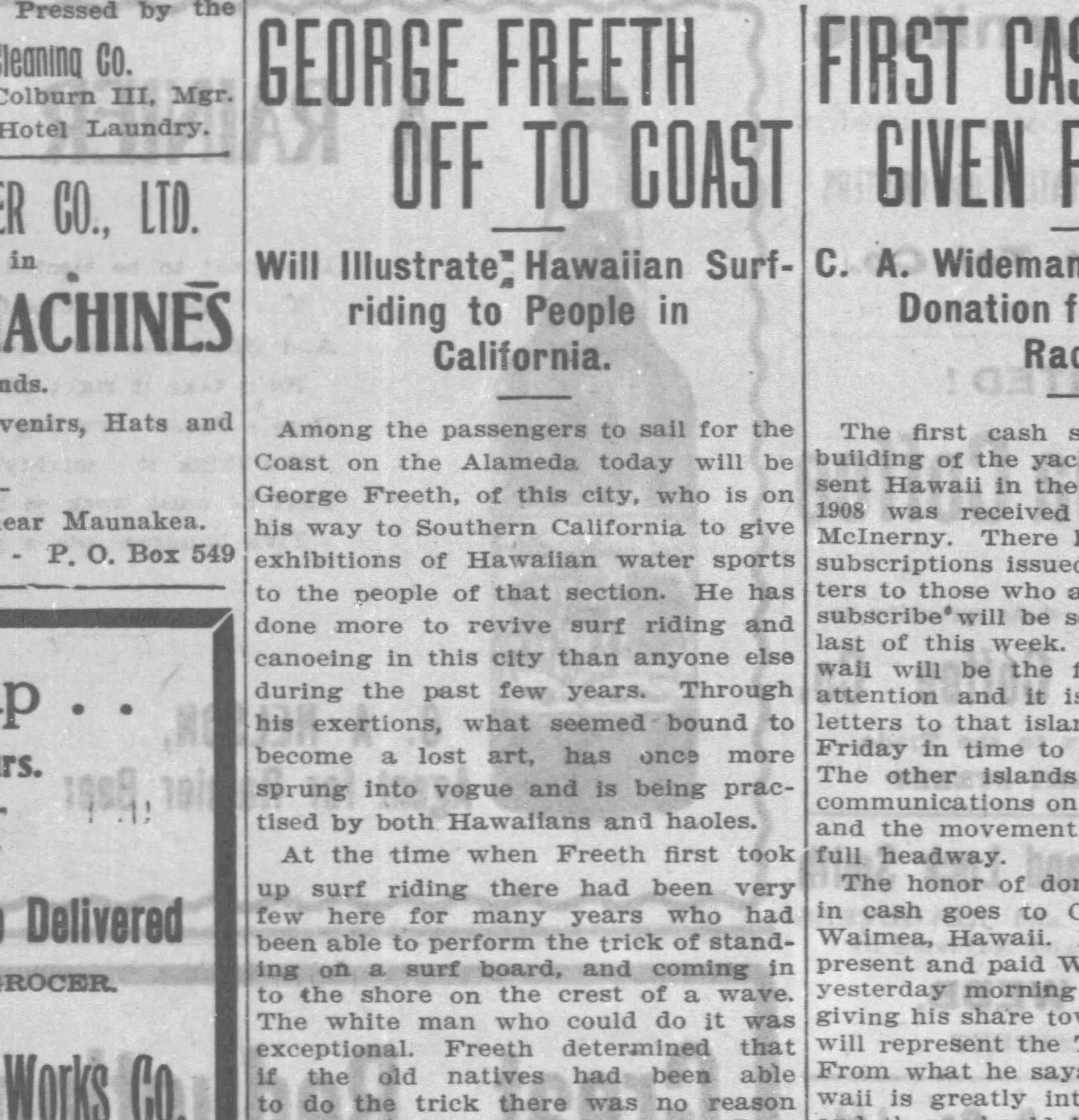
Honolulu Star Advertiser, 1907.
Meanwhile, Duke Kahanamoku was carving his own path. Known for moving through the water as naturally as walking, he stunned the swimming world in 1911 by breaking the 100-yard freestyle world record by 4.6 seconds in Honolulu Harbor. That performance carried him to the 1912 Olympics in Stockholm, where he won gold in the 100-meter freestyle and silver in the relay.
World War I interrupted his rise, canceling the 1916 Games. But Duke remained in motion. In 1918, he toured the United States raising funds for the Red Cross and boosting morale, all while introducing audiences to Hawaiian surf culture. It was during this time that he earned the name:
“Ambassador of Aloha.”
At the 1920 Summer Olympics, Duke Kahanamoku cemented his status as the world’s greatest swimmer. Soon after, he relocated to Southern California, where he pursued acting and continued giving swimming and surfing exhibitions—quietly shaping the coastal culture that would define the region.
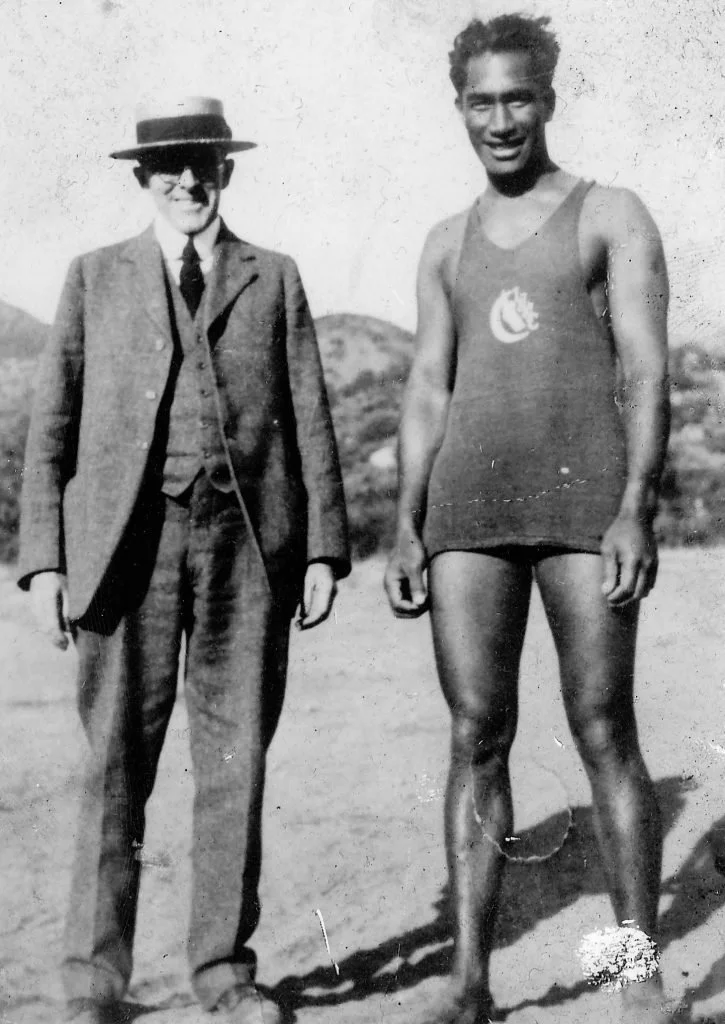
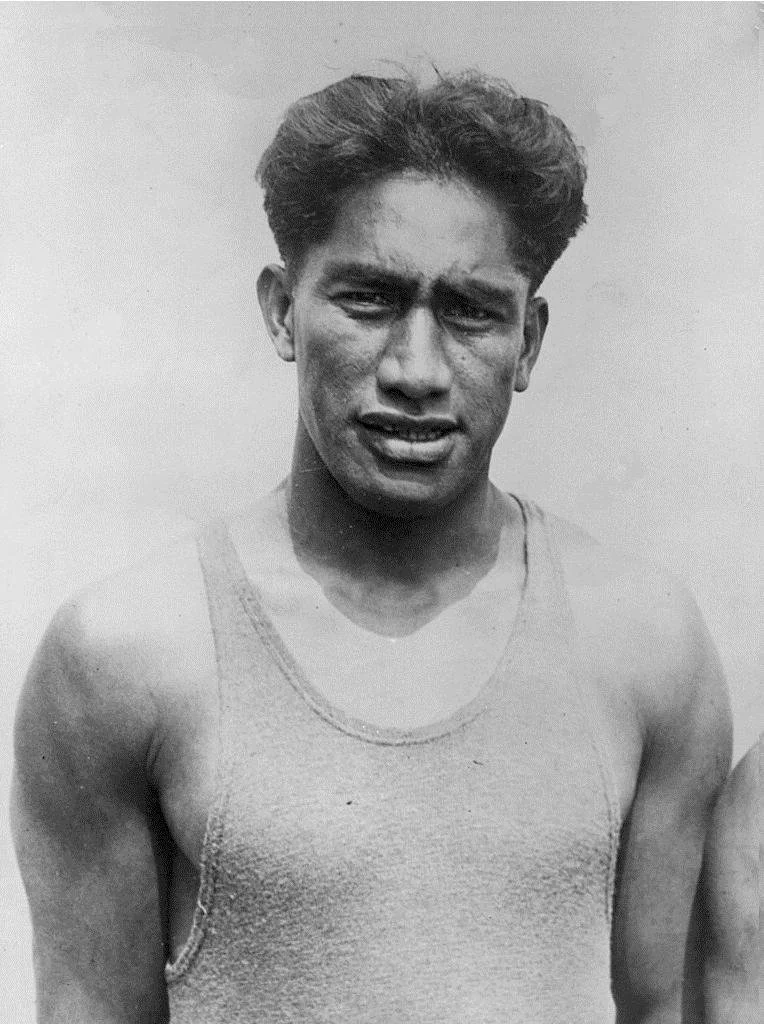
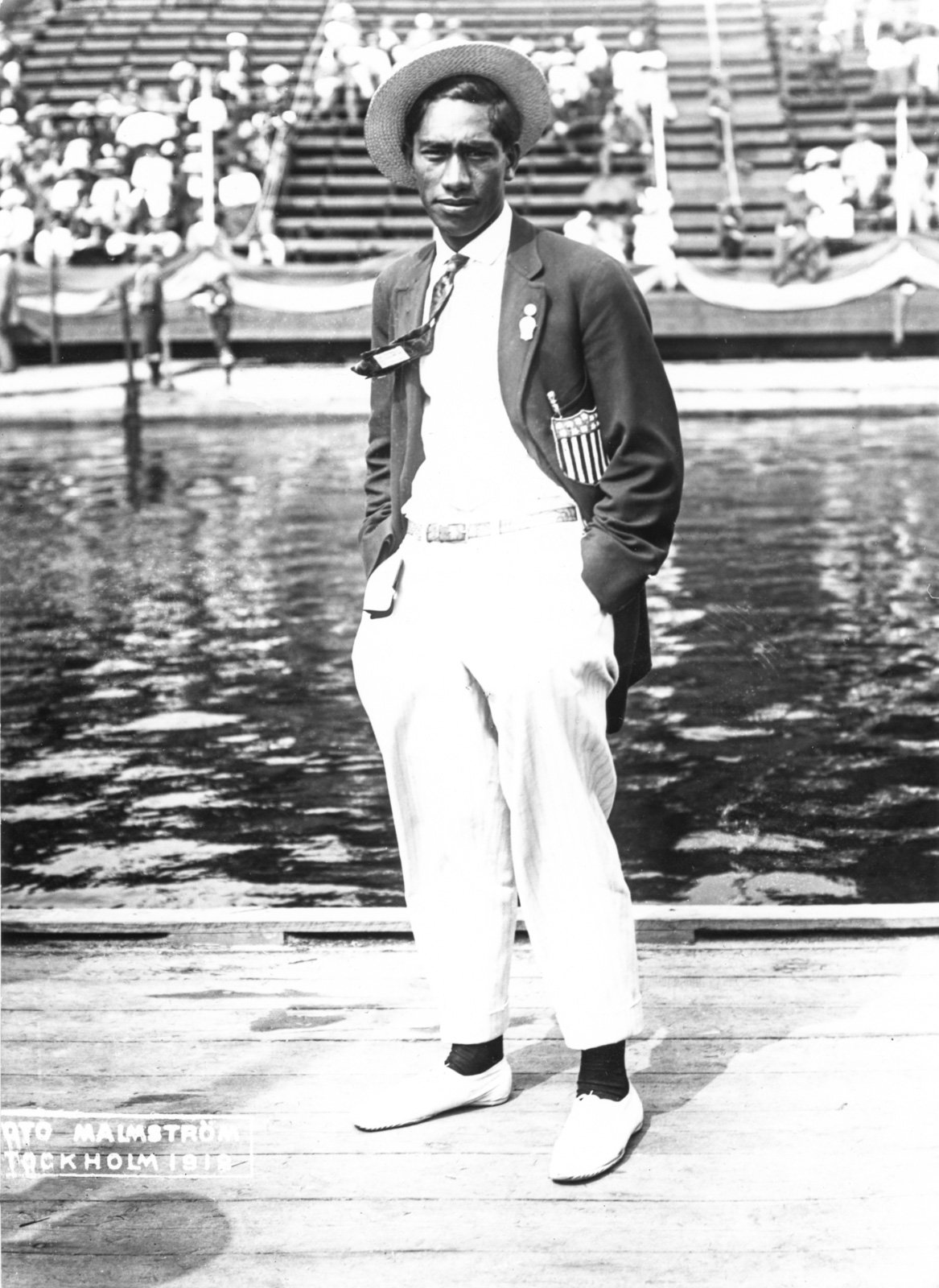
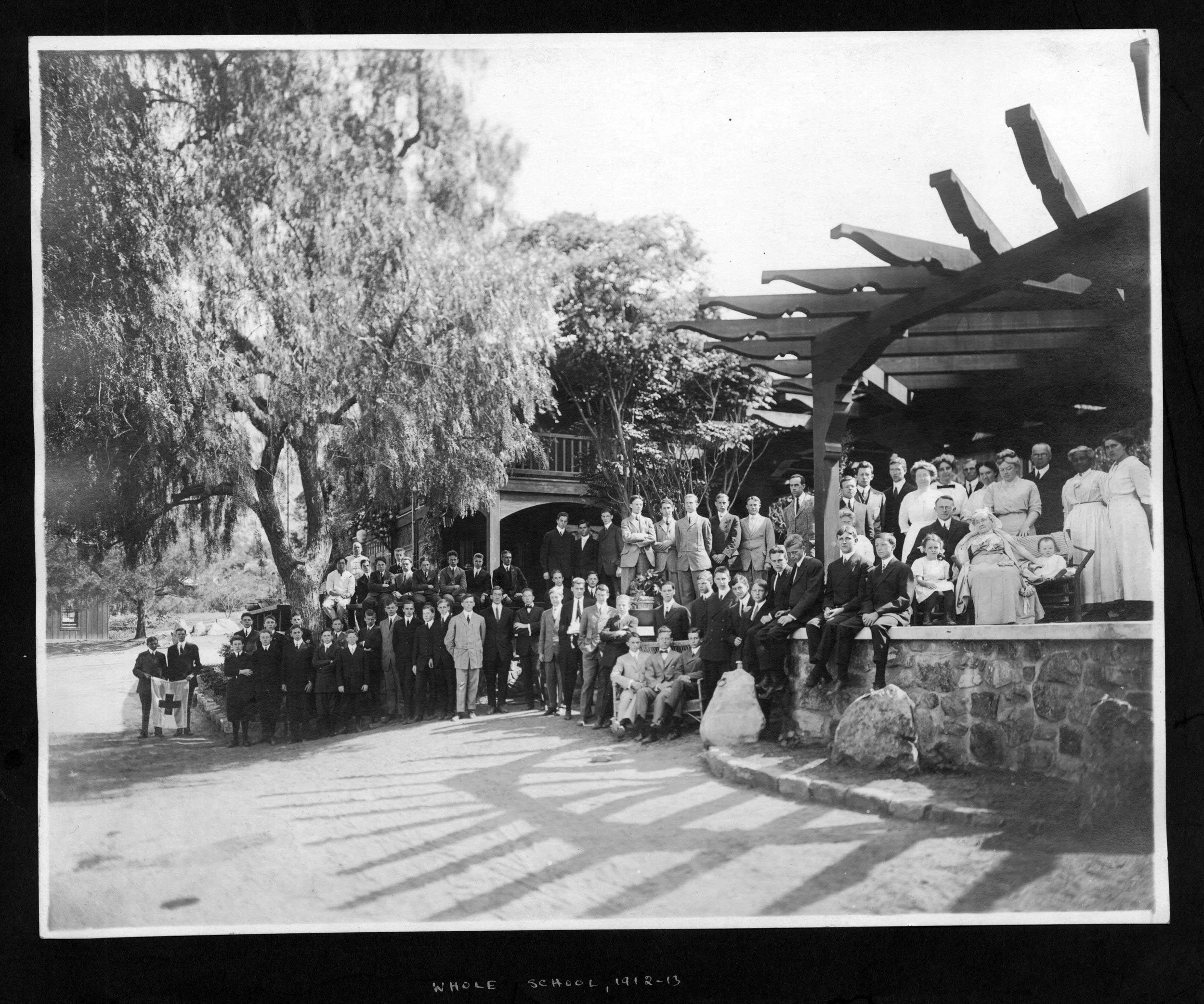
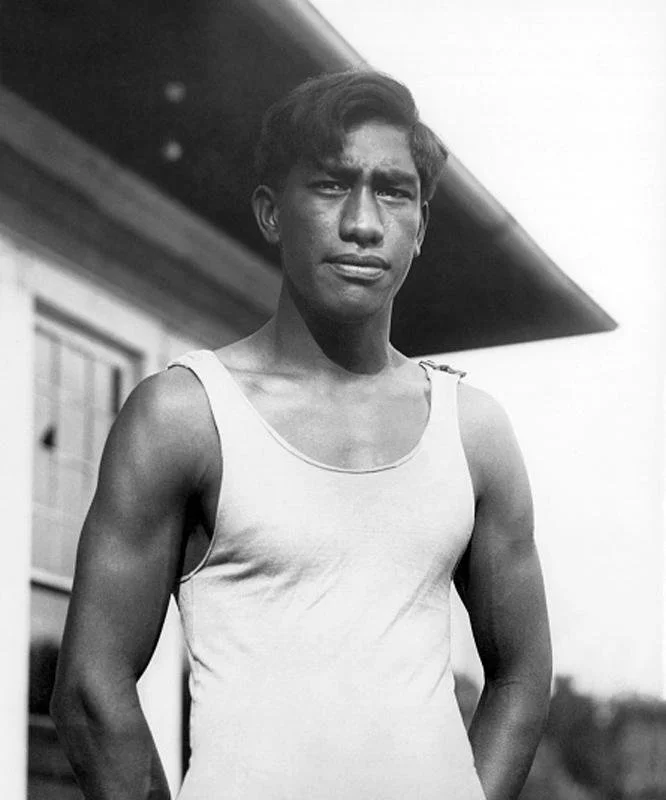
Then, in late October of 1922, that influence reached a valley off the coast - Ojai.
At the invitation of Sherman Day Thacher, headmaster and founder of Thacher School, Duke traveled to the school to give a swimming demonstration at the beginning of the year.
Years earlier, in 1895, a massive fire tore through the Thacher campus, forcing a rebuild and a fresh take on the architectural design and layout. Relocated up the hill, new buildings were constructed out of redwood. A large reservoir—nine feet deep and seventy feet square—had been built as a safeguard against future fires. The reservoir immediately doubled as a swimming hole on hot Ojai days, and by the 1920’s was dubbed the “pool”.
It was there that students gathered around the pool to watch Duke. When Duke gave demonstrations, it was an interactive forum on his swimming techniques and lifeguard skills. He demonstrated flow and timing, getting into the water with swimmers to show how all the movements connected, helping them understand that speed came from coordination and ease, not just strength. All 6’1” and 200 lbs of him was cool, calm, collected, and effortless in both the way he swam and how he taught. He was known for his "double-flutter kick," a technique he refined to propel himself through the water. The students were able to chat and interact with Duke, who was, at the time, a bit of a global star.
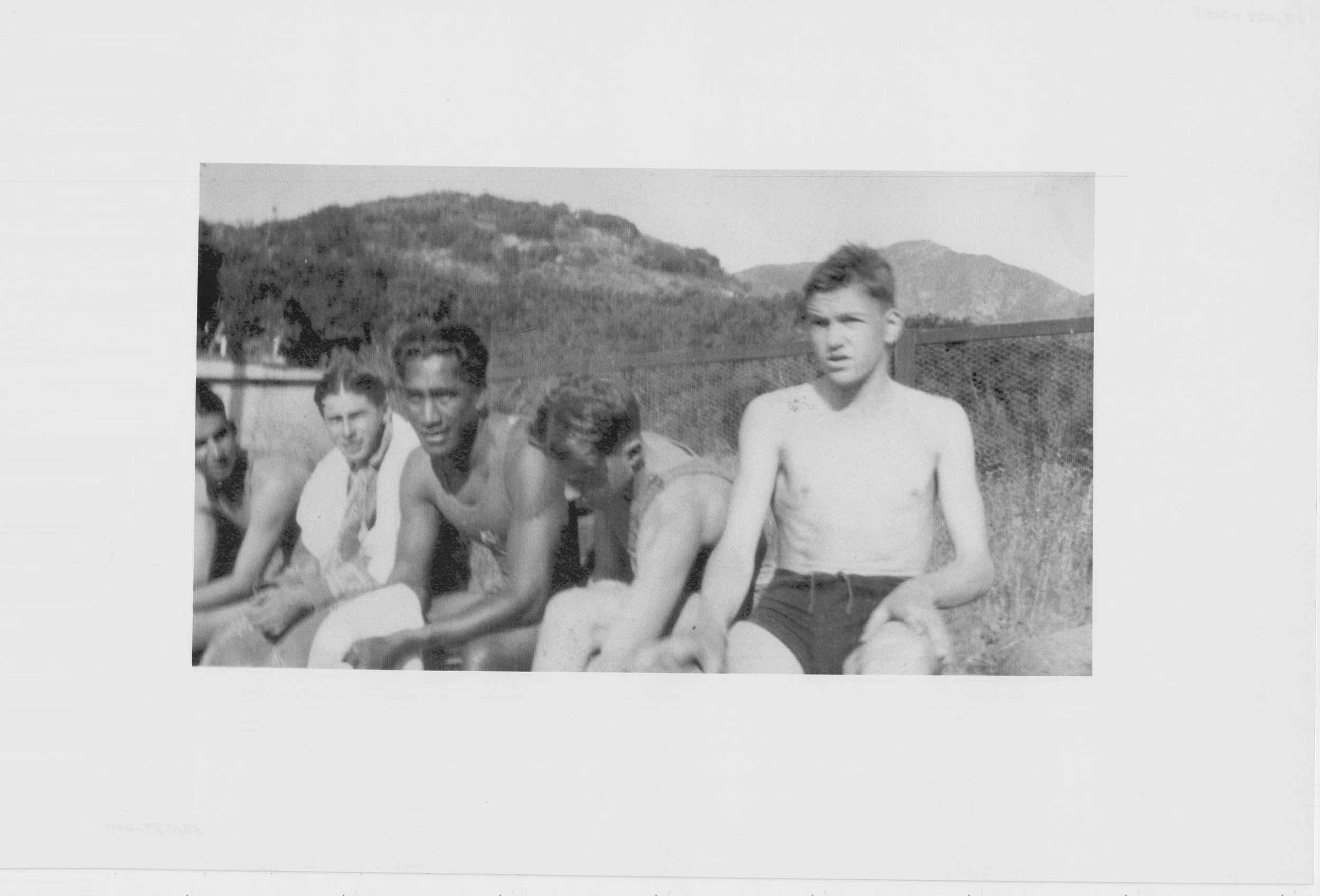
Duke didn’t just perform or entertain, he motivated people to swim, surf, and connect to the water - a true waterman.
His warmth and charisma influenced the students at Thacher that day, and, as it turned out, generations beyond.
A seed(s) planted.
