
Santa Rosa Cattle Ranching
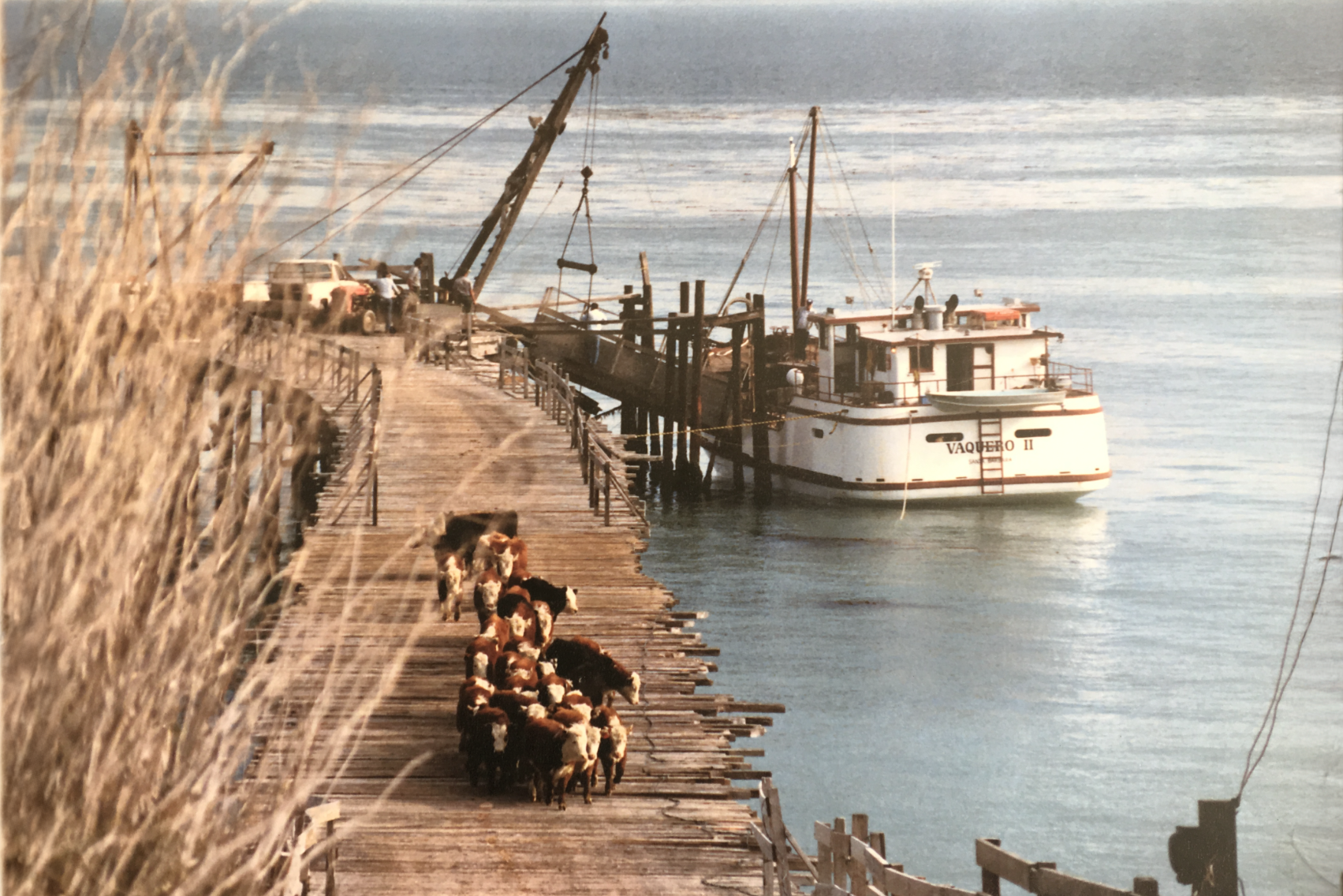
155 years of Cattle Ranching on Santa Rosa.
The majestic Channel Islands are an eight-island archipelago off the coast of California, specifically Ventura and Santa Barbara counties. Five of the Islands—Anacapa, Santa Cruz, Santa Rosa, San Miguel, and Santa Barbara—make up Channel Islands National Park. The remaining three islands are San Clemente, Santa Catalina, and San Nicolas.
Anacapa, the closest Island, is approximately 12 miles offshore. San Nicolas Island, the Farthest island, is about 61 miles from the mainland and is also the most remote. Santa Rosa Island, located 26 miles off the coast of Santa Barbara, is the second largest of the Channel Islands at 53,195 acres.
Native Americans have a history on the Islands that dates back thousands of years. The islands were inhabited primarily by two different Native American groups, the Chumash and the Tongva (Gabrieleño). Santa Rosa Island, or *Wi'ma* as the Chumash call it (meaning driftwood), was inhabited by the Chumash for over 13,000 years. Living in numerous village sites on the Island, they depended directly on the natural environment - hunting, fishing, gathering, and strongly relying on the abundant marine life. They built large seagoing canoes called Tomols to travel between the islands and the mainland. The boats were up to 40 ft long and constructed of Redwood planks, sealed with Tar. The Chumash refer to the tomol as the “House of the Sea” for their reliability.
Their history on the Island is rich in Chumash culture and eventual displacement during the Spanish Mission era. Today, the Chumash people maintain strong cultural and spiritual ties to their ancestral islands.

Ranching the Island
Ranching is a significant and dynamic part of the Channel Islands' history. Santa Catalina, Santa Cruz, and Santa Rosa have a history of ranching dating back to the 1800s. The Islands offered a vast amount of open range and freshwater needed to sustain large numbers of livestock. And while the rest of the country had cattle ready for sale in the summer when the grass peaked, California had off-season grass growing, providing a product when others couldn’t.
Cattle ranching on Santa Rosa Island began after a Mexican land grant was issued in 1843 to the Carrillo brothers, who then sold the island. Alpheus B. Thompson and John Coffin Jones established a ranch in 1844 with 270 head of cattle, a small house, corrals, and a pier. Ownership shifted through a series of sales, and by 1859, the More brothers held full ownership, operating the largest sheep ranch in California. During the Civil War, they raised sheep to supply wool for uniforms.
By 1902, two Arizona cattle ranchers purchased the island with an eye toward raising cattle. Walter L. Vail and J.V. Vickers transformed the island from sheep to cattle. Vail & Vickers ranching was a large-scale, old-school “stocker” operation - where calves were brought to the island to be fattened on its grasses and then sold to packing plants or feedlots.
“Vail & Vickers, owners of the island, are said to have 20,000 cattle feeding there at present. They are brought here mostly from Mexico and Arizona, and a season on the island ranges makes the gaunt and scrawny feeders sleek and fat, the rich island grasses converting their flesh into a fine quality of beef.” -January 9, 1916
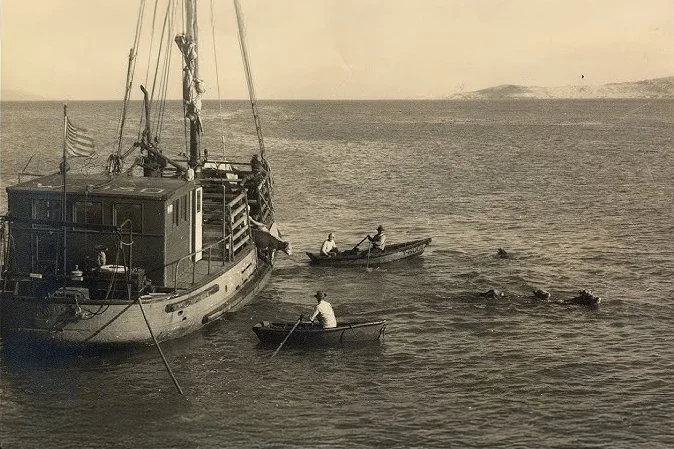
A large part of cattle ranching on the island involved moving the cattle back and forth to the mainland. The cattle were loaded onto boats or barges on the island and brought ashore on the mainland.
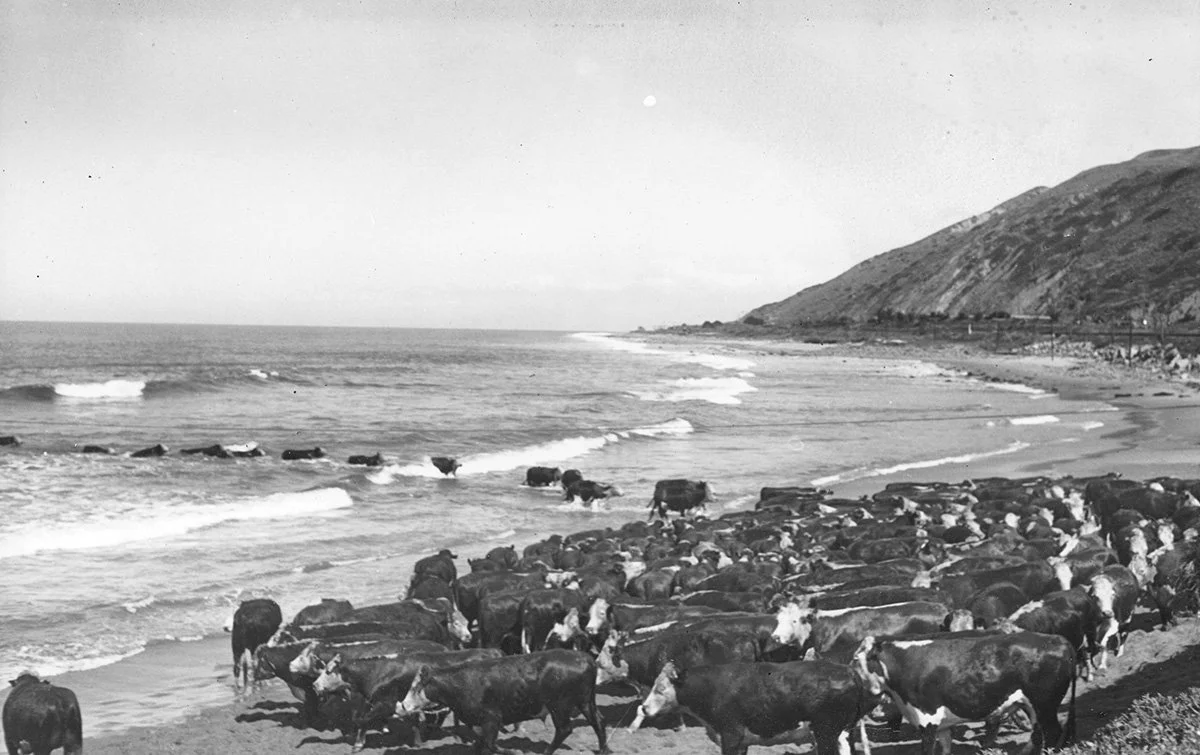
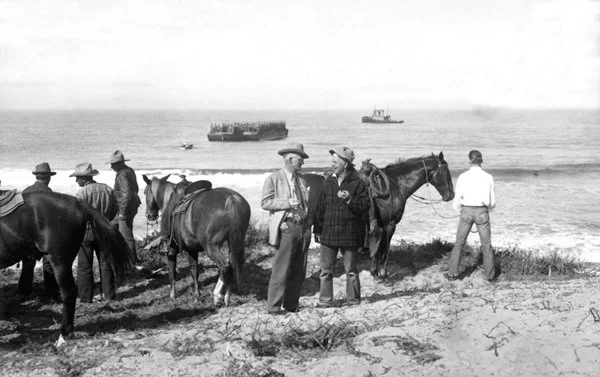
Ed Vail and Bud Wood, near the area that is now Emma Wood State Beach (part of the larger Taylor Ranch at the time), as a barge of cattle arrives.
The Vaquero, a custom 130-foot motor vessel built in 1913, was a huge part of the operation until it was taken over by the US government during World War II. This forced the operation to switch to using barges until 1958, when a replacement boat, Vaquero II, was custom-built. The Vaquero II was 64'6", a smaller and more efficient replacement for the original Vaquero. It could carry about 100 head of adult cattle or 210 calves, and it had a cargo capacity of 50 tons of freight and/or livestock.
At times, the Vail & Vickers ranch had as many as 9,000 head of cattle and employed 10 to 15 cowboys. The total number of cattle depended on the weather and the general range conditions. During some dry years, managers kept the ranch half-stocked; the usual stocking level was about 6,000 to 7,000 head at the "spring peak."
The ranch was a self-contained community with a one-room schoolhouse for the workers' children. The ranch grounds had various structures, including a main ranch house, corrals, a hayloft, a branding shed with a squeeze chute, a scale house, and a bunkhouse. The bunkhouse burned down in 1969, but many other historical structures remain, including the Mainhouse, built in 1869 by the More family.
The end of an era.
The National Park Service acquired the island in 1986, and the final roundup of cattle occurred in 1998, bringing an end to the ranching era. Today, the Santa Rosa Island ranch is part of Channel Islands National Park, and the historic buildings, including the main house and schoolhouse building, have been restored to help interpret the site's ranching history.
In 1996, the lovely Huell Howser visited Santa Rosa Island to learn its natural and human history from ranger Bill Faulkner. It is the last peek of the ranch and operation before it ended just two years later. It is an absolute must-see!
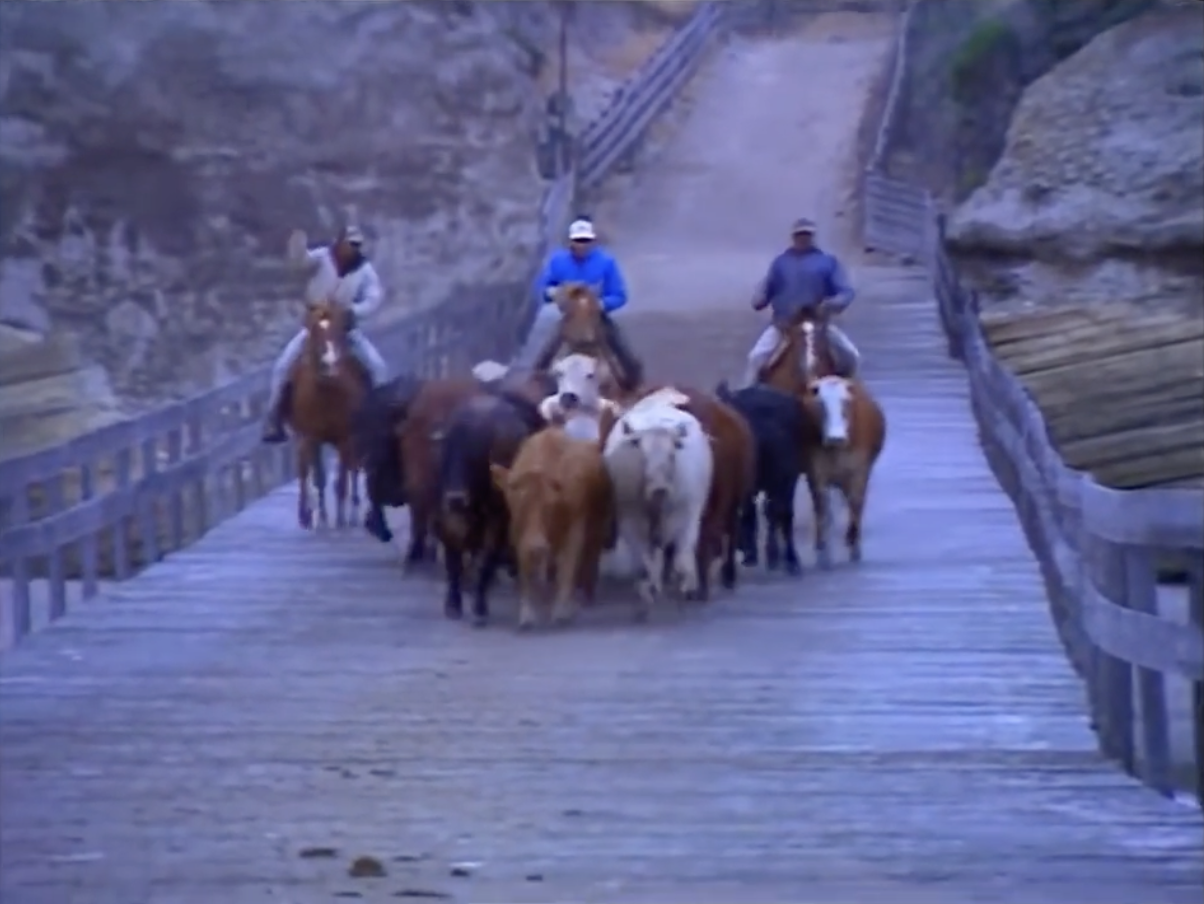
In 2002, Huell Howser visited The Vaquero II and interviewed families involved in the Vail & Vickers operation. Click to watch HERE.
The National Parks Service has a really informative article you can read HERE.
Lastly, I have not read this book, but it is on my must-read list: The Island: Reminiscences of Twentieth-century ranching on Santa Rosa Island by Pete Healey.
